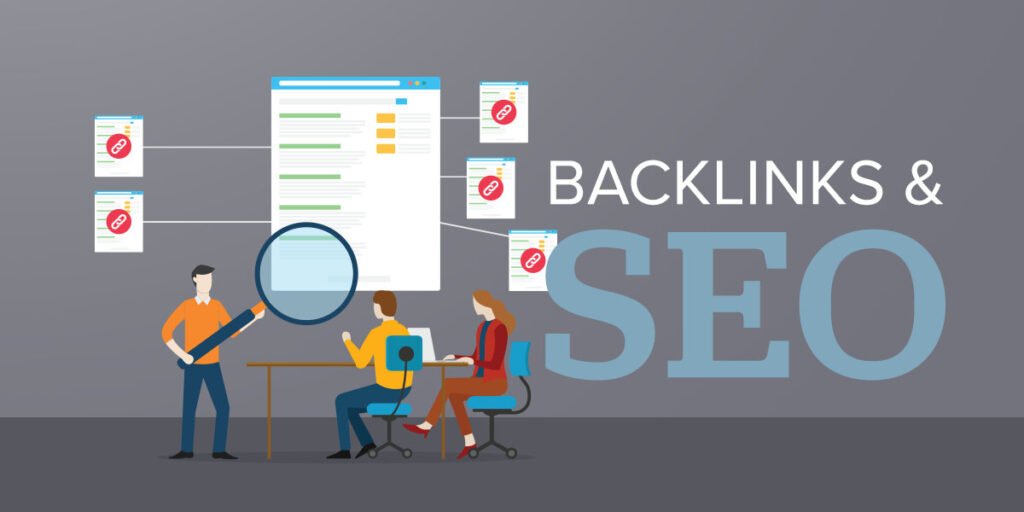
When you publish a new page or launch a website, search engines like Google face an immediate challenge: how do they determine whether your content is reliable, accurate, and worthy of top rankings?
Search engine algorithms evaluate hundreds of factors, but one foundational signal has remained dominant since the earliest days of search: SEO backlinks.
To navigate modern search optimization successfully, you need to understand what backlinks actually represent, why search engines place so much weight on them, and how earning the right ones transforms a quiet website into a high-visibility business asset.
1. What Exactly Is an SEO Backlink?
In simple terms, an SEO backlink (also known as an inbound link or incoming link) is created when an external website links back to a page on your domain using clickable text or media.
Think of the internet as an interconnected web of citations. When site A references site B, site A is essentially telling its readers: “Here is a resource that provides additional proof, context, or value on this topic.”
Search engines view each of these links as an independent vote of confidence. If many trustworthy websites consistently point toward your content, search crawlers conclude that your material must be helpful and credible.
2. Why Are SEO Backlinks So Important for Rankings?
High-quality content is vital, but content without authority rarely reaches page one for competitive search queries. Here is why backlinks remain non-negotiable:
Search Engines Measure Trust and Domain Authority
Google was founded on PageRank, an algorithm designed around the concept that authoritative pages receive more inbound references. While algorithms have evolved significantly, the underlying principle holds true: links from established, high-trust platforms transfer authority (often referred to as link equity) to your site.
Accelerated Discovery and Indexation
Search engine bots crawl the internet by following links from one page to another. If your website has strong incoming references from regularly updated blogs and publications, search bots discover your new articles, service pages, and updates much faster.
Qualified Referral Traffic
Beyond algorithm rankings, backlinks serve a practical commercial purpose. When a user reads a well-written guide in your niche and clicks on a contextual link pointing to your site, you gain an interested, qualified visitor who is already primed to explore your services.
3. Not All Links Are Created Equal: Quality Over Quantity
In the past, webmasters could manipulate search rankings by buying thousands of cheap directory links, automated forum comments, or reciprocal link exchanges. Today, search algorithms easily spot low-effort, spammy patterns.
A healthy backlink profile is defined by three main characteristics:
- Relevance: A backlink from an industry blog or a niche-specific publication carries vastly more value than a dozen links from irrelevant, random platforms.
- Domain Trust: A single mention on a respected industry portal outperforms dozens of links from brand-new, unindexed websites.
- Natural Anchor Placement: Links should read naturally within helpful sentences rather than being aggressively forced with awkward exact-match keywords.
4. The Power of SEO Backlinks: How Inbound Links Fuel Real Business Growth
Earning impactful links requires strategic execution, steady outreach, and careful domain vetting. Many business owners and marketing managers realize that manually contacting webmasters, negotiating placements, and evaluating domain metrics takes dozens of hours every week—distracting them from day-to-day operations.
This is where turning to dedicated link building specialists makes a measurable difference. Teams looking to establish genuine authority without navigating technical hurdles rely on agencies like Links Builder Hub to secure white-hat guest posts, editorial placements, and high-authority contextual links tailored to their niche. By delegating manual outreach and quality control, businesses achieve reliable ranking momentum while keeping their core teams focused on customer satisfaction and product development.
5. Practical Ways to Start Earning Authoritative Backlinks
If you want to build a foundation for long-term organic visibility, focus on these actionable tactics:
- Produce In-Depth, Data-Driven Guides: Articles that answer complex industry questions, provide step-by-step solutions, or share original research naturally become citation magnets for other writers.
- Editorial Guest Posting: Offer insightful, non-promotional articles to reputable websites within your industry. Share actionable advice while including a relevant, value-driven link back to your resource.
- Reclaim Broken or Unlinked Mentions: Keep track of where your brand, founders, or unique tools are mentioned across the web. If an author mentions your brand without hyperlinking, a polite note is often all it takes to turn it into an active backlink.
Final Thoughts
SEO backlinks are far more than a technical search metric—they are digital reputation signals. By prioritizing relevant, ethical link building practices and focusing on genuine authority, you build a sustainable foundation that drives qualified visitors and reliable search rankings for years to come.